Driving Fleet Vehicles vs. Professional Car Hauling for Business Relocations
Driving or hauling for a fleet move? Compare true costs (IRS/BTS), downtime, liability exposure, sustainability, and a 300-mile rule of thumb.
Fleet relocation decisions look simple on paper: “We’ll just have people drive the vehicles” or “We’ll ship them.” In practice, it’s a total-cost-and-risk decision that touches uptime, labor capacity, liability exposure, and even sustainability reporting.
In this post, we compare both models the way logistics managers actually have to evaluate them: TCO (Total Cost of Ownership — the full lifecycle cost), downtime, chain of custody, and risk. We’ll also share a practical rule of thumb we use often: past ~300 miles, hauling becomes the default for most business relocations.
Watch The Video Overview
This is the “driveaway” approach. Your employees (or contracted drivers) take each vehicle from origin to destination as individual trips.
It can work well when the move is short, the stakes are low, and you have people available. But it also scales linearly: more vehicles = more drivers, more schedules, more risk, and more admin.
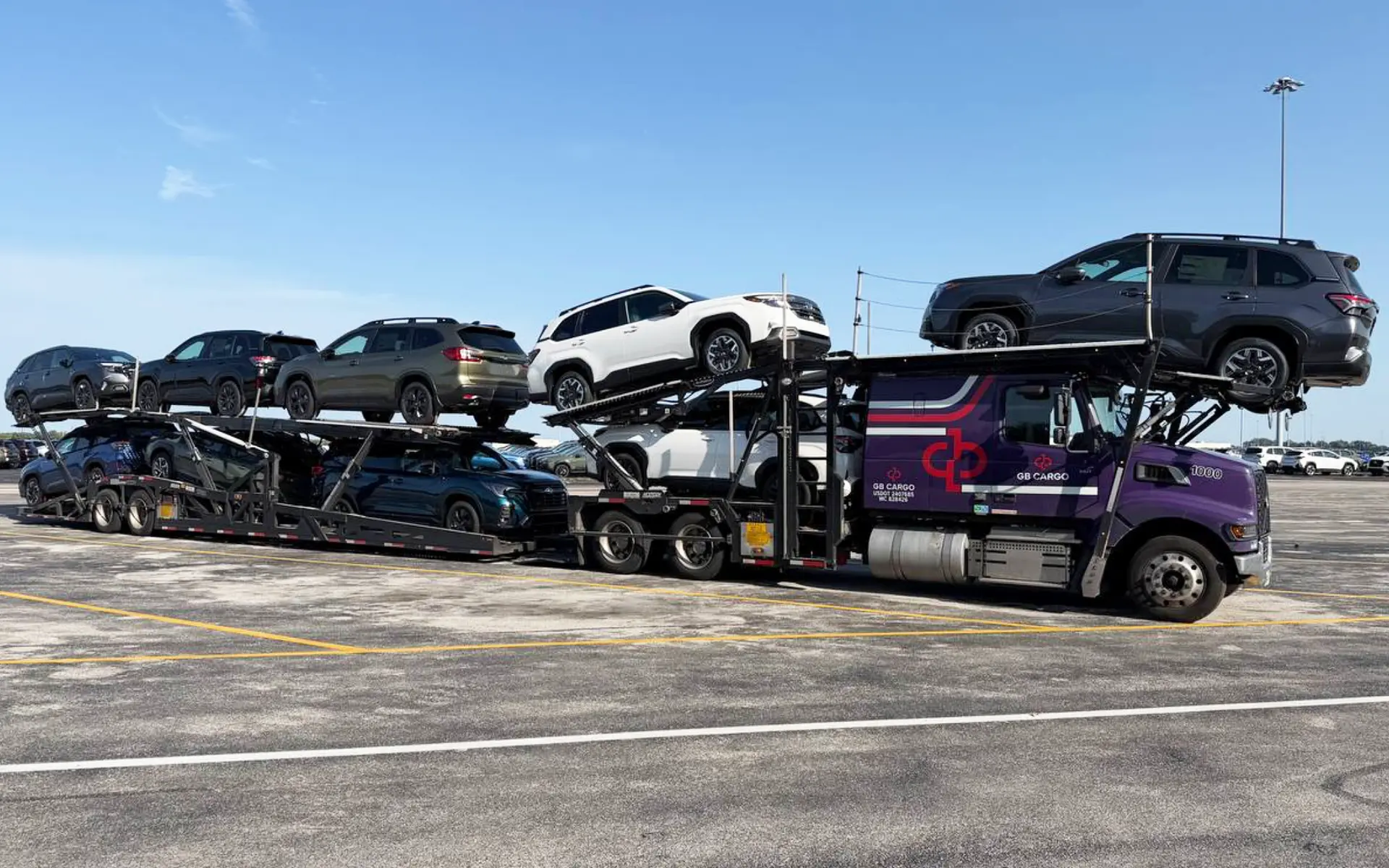
This is consolidated transport using a professional car hauling carrier. Multiple vehicles move on one truck, with a documented handoff process and a single transport plan.
In practice, this shifts you from a 1:1 trip model (one driver per vehicle) to a consolidated move where multiple vehicles travel together—often 8–10 units per load depending on equipment and vehicle mix.
Most teams start with the visible costs (fuel, driver pay, hotels). That’s reasonable, but it often misses the costs that show up later: depreciation, maintenance acceleration, admin time, and disruption.
When we need a quick estimating baseline, two public benchmarks are useful:
These are not your exact costs, but they’re helpful “sanity checks” because they include more than fuel. And they reinforce a core point: driving is rarely “just gas.”
When you drive vehicles for relocation, the spreadsheet usually includes:
Those are real, and they matter. But they’re not the whole picture.
If a vehicle is on the road for two days, it’s not available for revenue or operations for two days. If your best site manager is driving instead of managing a location opening, that’s a hidden cost too.
For multi-vehicle moves, “people time” becomes the constraint quickly. The more vehicles you add, the more you turn a relocation into a staffing project.
Every relocation mile you drive is a mile you can’t sell later.
A practical way to think about this is simple: miles accumulate fast, and high-mileage units typically take a bigger value hit in remarketing. That’s why “junk miles” show up in mature fleet relocation planning.
We like to frame it in two ways (both matter):
Long highway runs add tire wear, fluid/maintenance timing, and the chance of small-but-expensive surprises (windshields, roadside damage, minor collisions). Those costs are often “somewhere else” in the budget, which makes driving look cheaper than it is.
Ten driven vehicles can mean ten separate trip timelines, ten sets of receipts, ten fuel reimbursements, ten route risks, and ten compliance exposures.
Consolidation doesn’t remove work, but it reduces the number of moving parts.
Let’s say you’re relocating a single unit 1,000 miles.
Now add labor, per diem, and the risk of downtime. This is why many teams find that a “cheap drive” becomes less cheap after they do a full TCO view.
Driving can feel faster because you can “go now.” But for business relocations, the speed question is usually bigger than departure time.
If your relocation is tied to a site opening, seasonal demand, or a hard deadline, that scaling problem is where plans slip.
Professional hauling reduces the number of individual trips you’re managing. That typically improves predictability: fewer schedules, fewer on-road variables, and fewer points of failure.
A common best practice in fleet relocation planning is to establish a corporate “haul-first” threshold—where professional shipping becomes the default beyond a set distance. For this post, we’re using 300 miles as that threshold.
Our working guideline:
This is where many fleets change their minds—even when the direct cost looks close.
When your employee is driving, your company typically carries a larger share of the risk—operationally and legally. In fleet risk management conversations, a few legal concepts come up often—and it helps to define them plainly:
Driving relocations also increase exposure to fatigue, weather events, roadside incidents, and minor crashes that still create claims and downtime.
Even if none of those happen, the risk exists—because you’re putting more of your own people on the road for non-core work.
Hauling isn’t “risk-free,” but it’s a different category of risk. Instead of dozens of individual driving exposures, you’re managing:
From a fleet manager’s viewpoint, this is often a more controllable risk model—especially when the process is documented and consistent.
Insurance note: In our operations, we describe our protection level as premium coverage (without getting into limits in a general blog post). The more important point for this decision is that a professional hauling process is designed to reduce incident likelihood and document handoffs clearly.
Relocation problems usually aren’t caused by “transportation.” They’re caused by missing documentation, unclear handoffs, and poor visibility when something changes.
In fleet relocations, chain-of-custody discipline is what prevents most avoidable disputes: condition reporting, documented transfers, and audit-friendly records.
In our fleet relocation projects, we typically support that with:
These aren’t “nice-to-haves.” They reduce internal time spent chasing updates and they make post-move reconciliation much cleaner.
Use this as a quick requirement list when you’re comparing options:
For business relocations, the “how many can we move” question matters as much as the “how much does it cost” question.
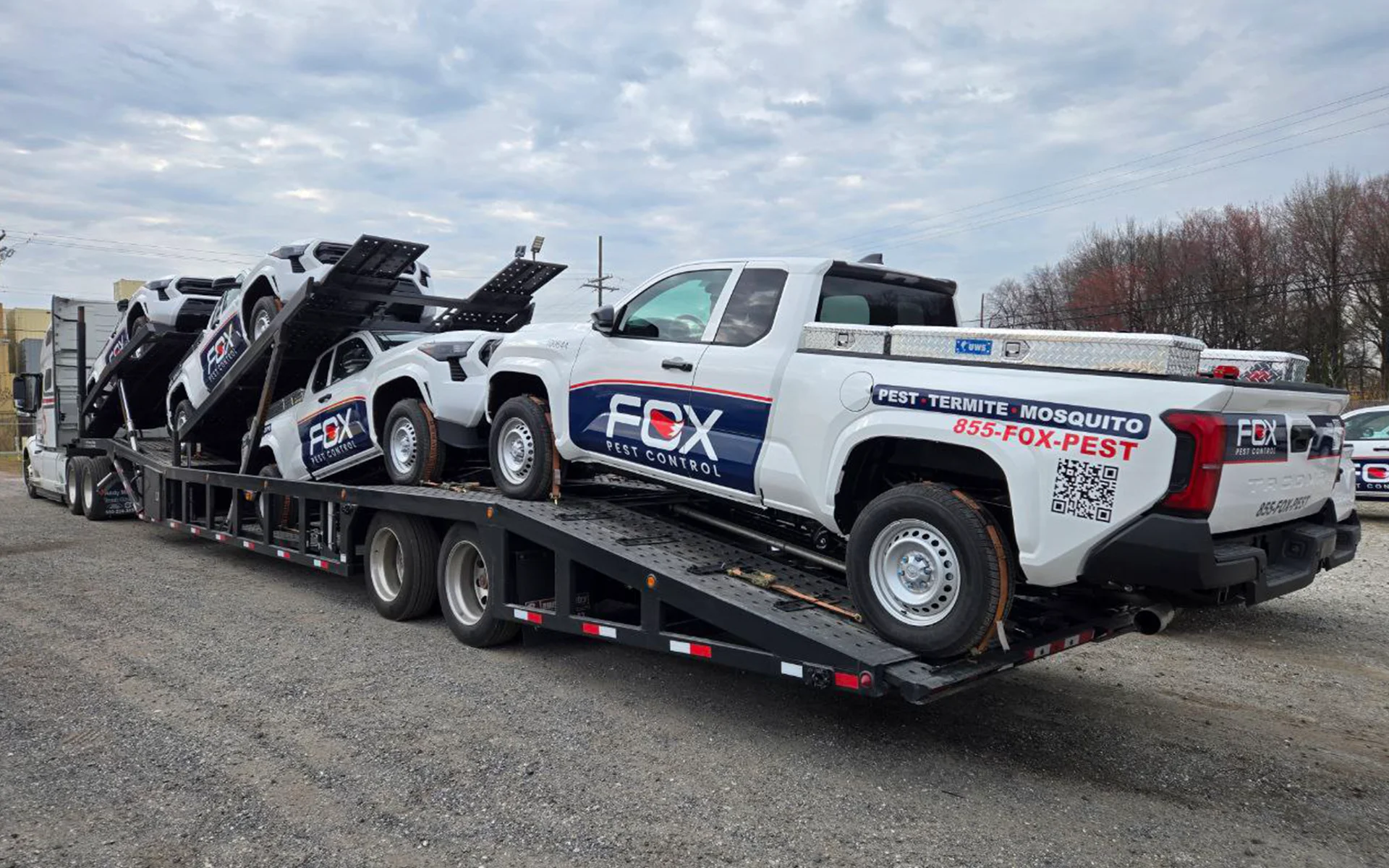
Multi-vehicle hauling typically moves about 4–10 vehicles per truck, depending on trailer type and vehicle mix.
In practical fleet work, capacity depends on what you’re moving:
Here are the boundaries we’re working within:
This is an important planning step: access constraints are usually predictable, and solving them early prevents day-of delays.
For some decision makers, sustainability isn’t just brand messaging—it’s reporting, customer expectations, and procurement scoring.
Driving relocations can multiply emissions because each vehicle becomes its own trip. Consolidated hauling reduces “total engines running” and often reduces total fuel consumption for the same relocation objective.
One illustrative comparison is relocating 10 vehicles over ~2,000 miles: consolidated hauling can materially reduce total fuel use and emissions versus driving each vehicle separately (that example shows about a ~50% reduction).
We don’t recommend treating any single percentage as universal. What matters operationally is the mechanism:
If ESG reporting is part of your procurement process, this is one of the reasons “haul-first” policies show up in mature fleet programs.
Here’s a practical way to choose quickly—and explain the decision internally.
Before you decide to drive, ask:
For many businesses, the answer is what leads to a formal “haul-first” policy.
You asked us to take a strong stance, so we’ll be direct:
For business fleet relocations, the best outcomes usually come from working directly with an asset-based carrier (a carrier that controls its own trucks and drivers) rather than relying on a chain of intermediaries.
Why? Because fleet relocation success is mostly process:
When accountability is diluted across multiple parties, visibility tends to drop and exception handling slows down. For relocations where downtime and liability matter, many procurement teams prioritize direct, reputable carrier relationships—because it keeps accountability and visibility clear.
Is it ever cheaper to drive fleet vehicles instead of hauling them?
Yes—especially for 1–2 vehicles under ~300 miles with available drivers and flexible timing. But once you account for mileage cost baselines, labor, downtime, and depreciation, hauling often compares more favorably than teams expect. IRS+1
What’s the tipping point where hauling usually wins?
A practical threshold is ~300 miles, particularly when you’re moving multiple vehicles. Many fleet programs adopt formal “haul-first” policies in the 300–500 mile range, and we like 300 miles as a clear internal rule.
Can you move inoperable vehicles, and what if our site can’t fit a car hauler?
We can transport inoperable vehicles, and we plan access ahead of time to avoid day-of surprises. If the final location can’t safely accommodate a car hauler, we deliver to the nearest safe, accessible point where your team can take possession.
How should we think about liability if employees drive the relocation?
Driving puts more of the risk on your organization, including potential exposure under doctrines like respondeat superior and negligent entrustment. Even if nothing happens, the exposure exists because you’re increasing miles driven for non-core work.
Driving fleet vehicles can be a practical tool for short moves. But as distance and vehicle count rise, the economics and risk profile change fast. Using public benchmarks like the IRS 72.5¢/mile rate (2026) and BTS’s $0.82/mile ownership + operating cost estimate (2024, assuming 15,000 miles/year) helps teams see that “just drive it” often understates true cost. IRS+2Tyler Data & Insights+2
That’s why we support a simple operational guideline: under ~300 miles, evaluate driving; over ~300 miles, start with hauling. It usually reduces downtime, consolidates complexity, improves documentation, and lowers exposure.
If you relocate vehicles regularly, we recommend building a repeatable policy: define your 300-mile threshold, set documentation requirements (photos, eBOL, tracking), and pre-plan access constraints at origin and destination. The goal isn’t just moving vehicles—it’s relocating assets without burning out your team or increasing risk.
Stay informed on the latest news and insights from GB Cargo.