How Small Dealerships Grow Faster by Buying and Selling Cars Out of State
By buying vehicles in states where supply is high and selling into markets where those units are scarce, dealers can increase margins and keep lots full.
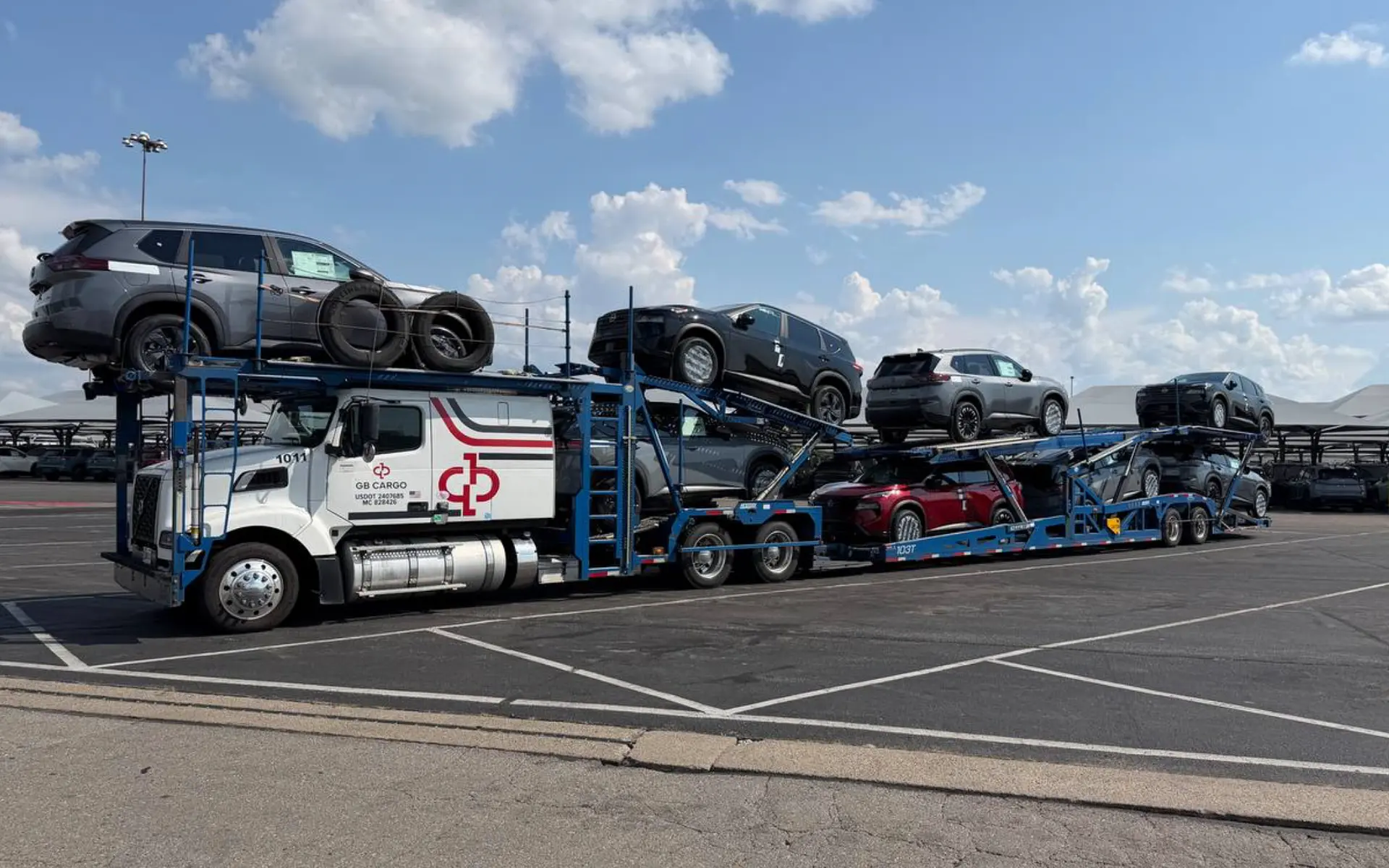
For many small independent and franchise rooftops, the biggest constraint isn’t demand. It’s inventory. Local trade-ins and nearby auctions only stretch so far, especially when everyone around you is chasing the same units.
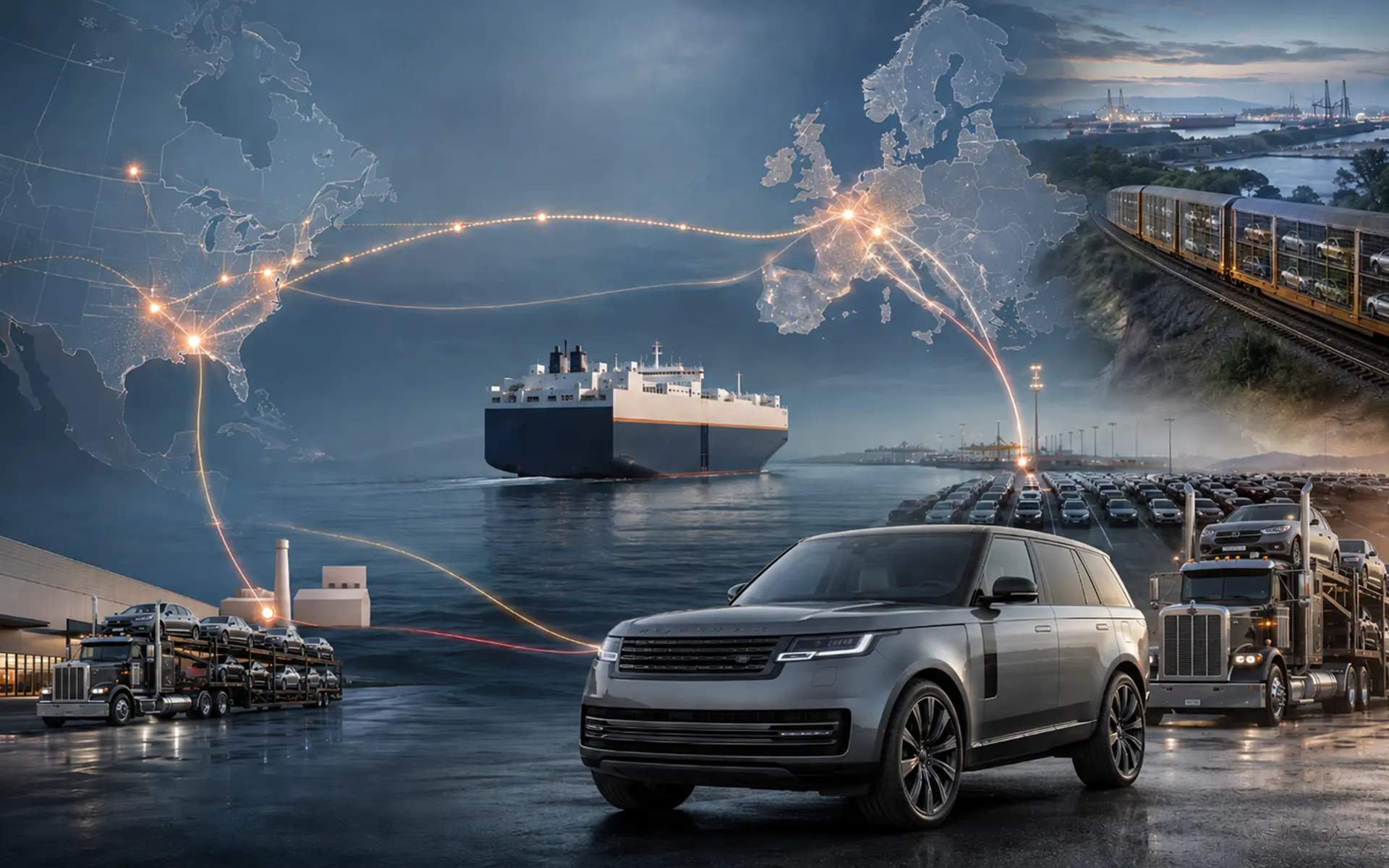
The dealers who are breaking out of that pattern are doing something different: they treat the entire U.S. as their sourcing and selling field. They buy where supply is deep and prices are softer, and they sell into markets where those same vehicles are scarce and margins are stronger.
That strategy only works if logistics keep up. When cars move quickly, safely, and predictably, out-of-state deals feel routine instead of risky. As an asset-based car hauling company, our role is to give small stores the same logistics confidence large groups enjoy—so buying and selling cars out of state becomes a core growth lever, not an occasional experiment.
The “local-only” dealership model used to make sense. Customers walked the lot, and most inventory came from nearby wholesalers or auctions. Today, that natural protection is gone. A small store in one state competes online with dealers across the country—but it can also source and sell nationwide if logistics are in place.
Staying local locks you into regional supply patterns. If your area is heavy on off-lease sedans while customers want trucks and SUVs, you end up overpaying for scarce units or stocking the wrong mix. When you buy out of state, you can follow demand instead of fighting local shortages.
For small dealers, that shift can be the difference between always “chasing the market” and consistently having the right vehicles on the ground.
Prices and demand for the same vehicle can look very different across regions. A model that’s common and cheap in one state may be rare and high-margin in another.
That’s the heart of inventory arbitrage:
Think of:
Our network covers all lower 48 states, so you’re not locked into just one or two “favorite” auctions. You can go where the opportunities are—and rely on us to bridge the distance.
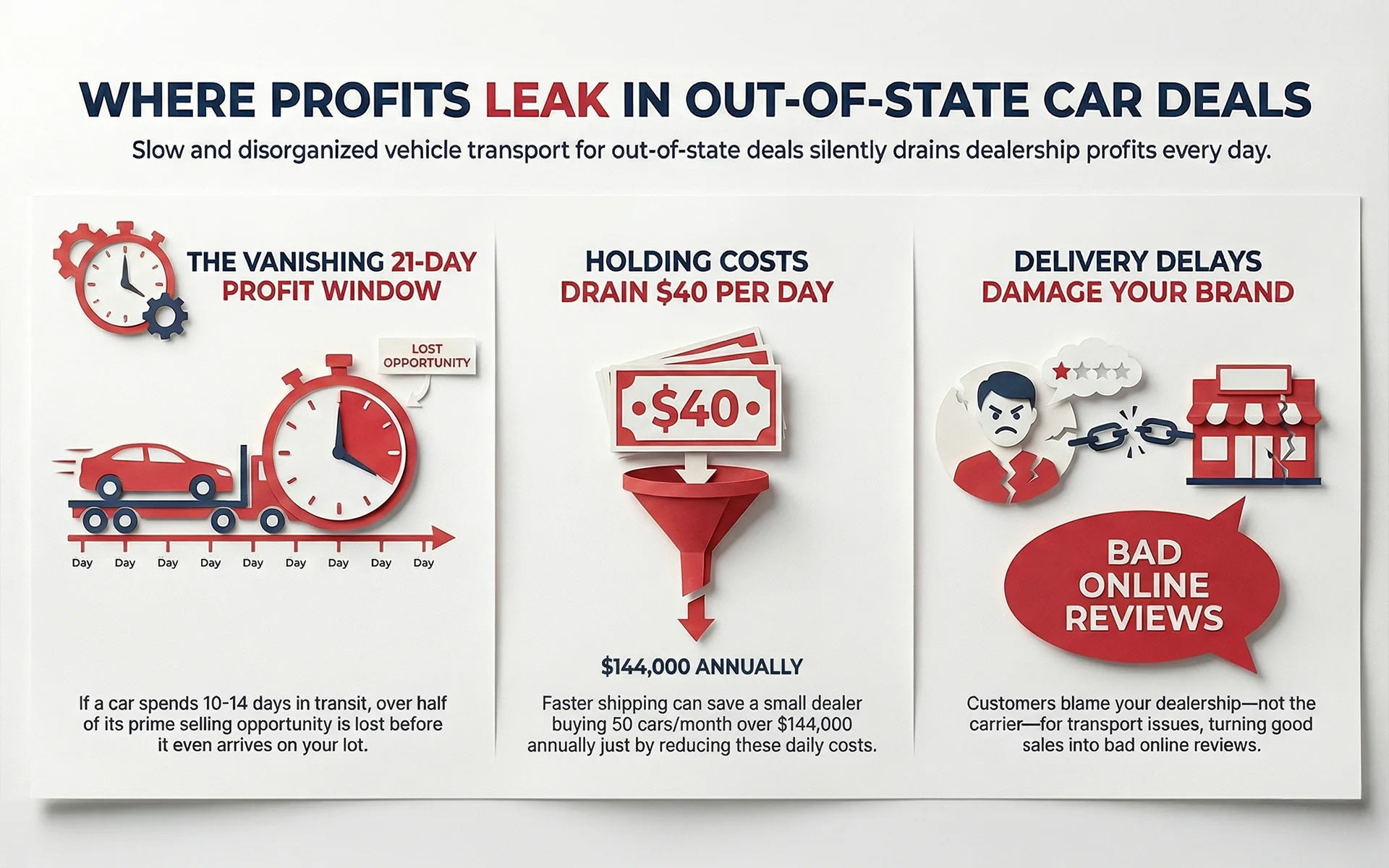
Modern used-car retailing is increasingly built on velocity, not just holding cars for gross. Industry consultants highlight a 21-day prime profit window for used vehicles: that opening stretch is when VDP (Vehicle Detail Page) views and lead activity are highest and when the vehicle is most likely to bring strong front-end gross.
If a car spends 10–14 of those days sitting at an out-of-state auction or on a slow truck, half or more of that prime window is gone before recon even starts. By the time the unit hits your frontline, pricing pressure has already shifted.
That isn’t just frustrating—it’s expensive.
Holding costs across floorplan interest, insurance, depreciation, and lot expenses typically land in the $32–$40 per vehicle per day range.
In one example scenario from the analysis:
At $40 per day, that six-day improvement saves around $240 per unit in holding costs—about $12,000 per month or $144,000 per year in recovered profit, without selling a single extra car.
On top of that, aged units force discounting. When a vehicle shows up “stale” in market terms, you often have to price it more aggressively just to catch up, sacrificing the gross you expected when you bought it.
For out-of-state retail buyers, transport is not a back-office detail. It’s part of the experience they remember—and review online.
When timelines slip or communication breaks down, the customer doesn’t blame the carrier; they blame your dealership. Damaged deliveries, missed ETAs, and vague updates can easily turn a strong front-end deal into a negative review or an unwind.
That’s why the way you move cars matters just as much as where you buy or sell them.
A workable out-of-state strategy starts with intentional sourcing, not random one-off deals.
Practical steps for small stores:
From there, you can set a cadence that fits your size:
This is where a consistent asset-based carrier helps. When we run regular lanes through your target regions, you can plan buys around known schedules and typical transit times, instead of guessing when a random truck might show up.
On the sales side, the goal is to make out-of-state purchases feel straightforward for your customer, not like a science project.
That usually means:
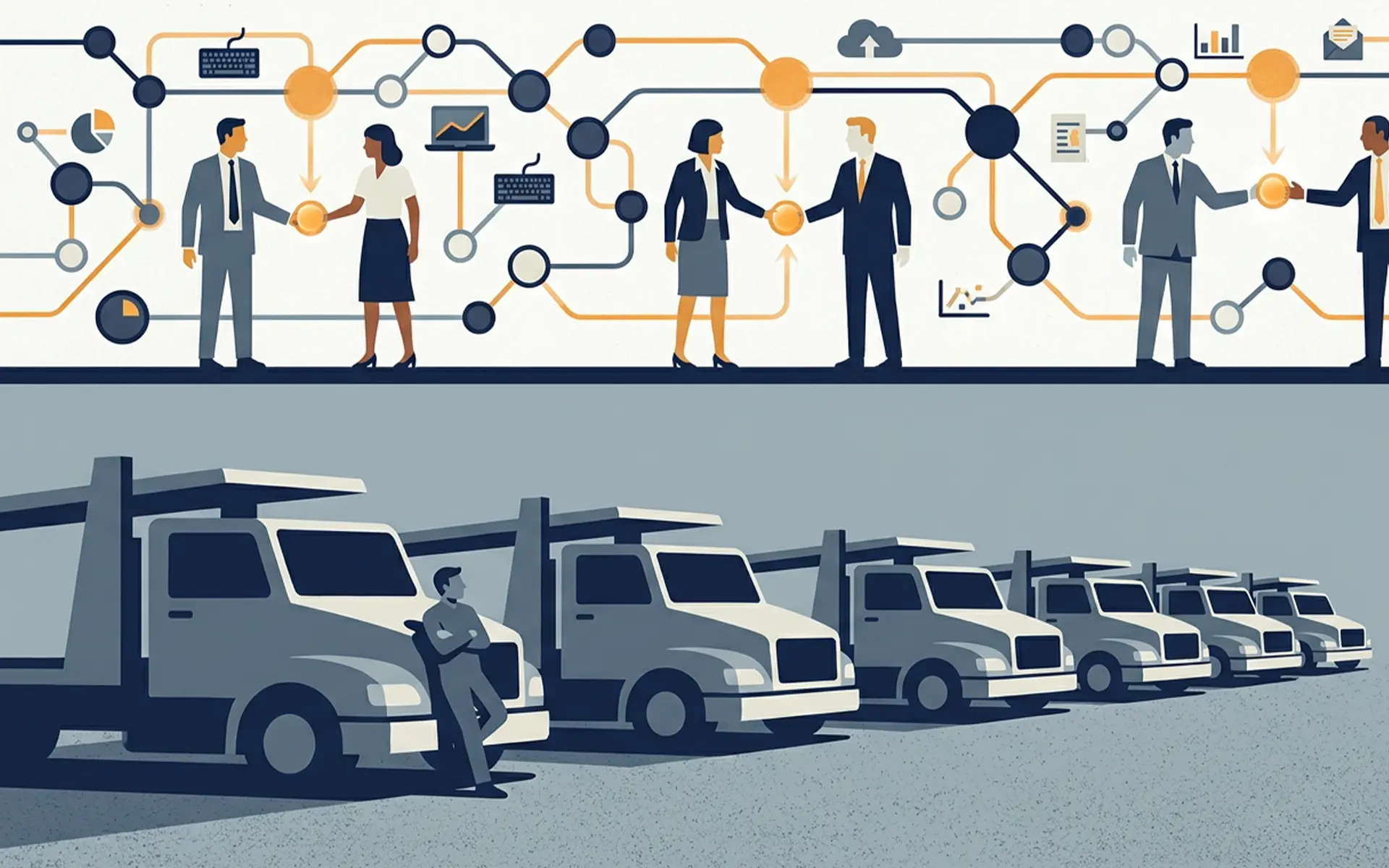
Our team fits directly into that workflow: we coordinate with your office, sales, and titling partners so the physical move lines up with funding and paperwork, not against it.
Small dealers typically start with one-off moves: single units shipped from a distant auction or single retail deliveries to another state. That’s fine at the beginning, but costs and complexity can creep up.
As volume grows, you can:
We don’t formally organize dealer co-ops, but we can accommodate those patterns when stores align their sourcing. Full or near-full loads lower per-unit freight costs and bring batches of inventory in together, which is ideal for reconditioning and marketing.
There’s a place for brokers in the market, but a fragmented, multi-broker network can introduce issues that show up directly on your P&L and CSI scores:
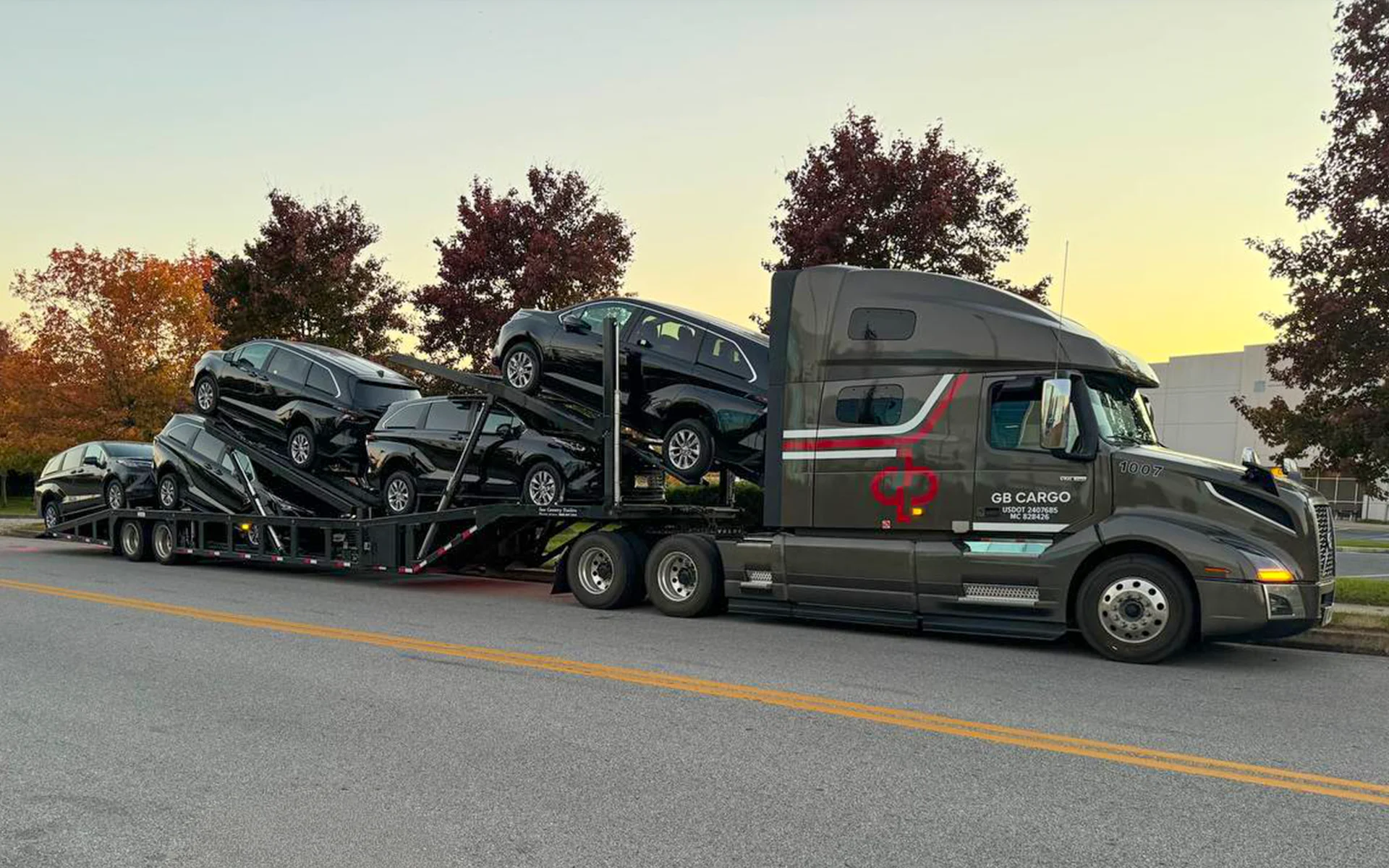
Asset-based carriers work differently. We own the trucks and employ the drivers. That structure allows us to:
The result is fewer surprises, fewer damage claims, and more confidence when you promise dates to your buyers.
From a small dealership’s point of view, a strong asset-based partner should bring:
That’s exactly how we’ve structured our operation: to function as a long-term partner to dealer teams, not as a one-off vendor.
Here’s a simple checklist you can apply to any carrier you’re considering:
Our fleet and processes are built with these standards in mind, because they’re exactly what B2B customers—dealers, OEMs, rental fleets—expect.
Beyond compliance, focus on how well the carrier fits your internal workflow:
On the retail side, logistics must sync with your funding and titling:
We routinely coordinate with dealers’ finance and title partners to make sure we’re moving vehicles at the right moment—not too early, not too late.
Lowest price per load rarely equals lowest total cost.
When you evaluate pricing:
For dealers who are steadily buying and selling cars out of state, it often makes sense to explore:
To know whether your out-of-state buying and selling strategy is working, track a handful of clear metrics:
Industry analyses consistently show that dealers who intentionally manage these numbers—and who stabilize logistics—report better inventory turnover and healthier margins.
An out-of-state strategy only sticks if the whole store can execute it.
That usually means:
Our team is used to working directly with dealership staff across these roles. The more your people understand what we can do and when we can do it, the easier it is to make buying and selling cars out of state a normal part of business.
Isn’t buying and selling cars out of state too complex for a small dealership?
It can feel complex at first, but the core elements are straightforward: choose the right vehicles, coordinate funding and title, and partner with a carrier that can move cars quickly and predictably. The right logistics partner takes most of the operational friction out of the process so your team can focus on acquiring good inventory and serving customers.
How many out-of-state units do we need each month to justify a more structured logistics approach?
You don’t need hundreds of units per month. Even a steady flow of 10–20 out-of-state purchases or sales can benefit from a more organized approach to transport. Once you have regular volume, better scheduling, tracking, and pricing usually more than pay for themselves in reduced holding costs and avoided headaches.
What happens if a vehicle is damaged in transit on an out-of-state deal?
With a vetted, asset-based carrier, every unit is inspected at pickup and delivery, and any issues are documented immediately. Primary cargo insurance is designed to handle legitimate claims, so you’re not left chasing a contingent policy or your own garage coverage for resolution.
Do we need to use the same carrier for auction purchases and retail deliveries?
You don’t have to, but many dealers find that working with a single asset-based partner simplifies scheduling, tracking, and communication. The more a carrier understands your lanes, recon flow, and customer promises, the easier it is to keep transport aligned with your operational targets.
Buying and selling cars out of state isn’t just a trend; it’s becoming a core way small dealerships stay competitive. When you treat the entire U.S. as your inventory and customer base, you gain access to better vehicles, more pricing opportunities, and a wider pool of ready buyers.
The real lever isn’t just where you buy or where you sell—it’s how fast and reliably those vehicles move through your system. Tight coordination between acquisition, funding, title work, and car hauling is what keeps units in their prime profit window and keeps customers happy at delivery.
As an asset-based carrier, our job is to give you control, speed, and consistency in that process, so “out-of-state” feels like just another column on the report—not a special project that keeps everyone up at night.
If your store already does occasional out-of-state deals, the next step is simply to make them more intentional. Start by auditing how long vehicles currently spend in transit and how often delivery surprises create customer issues or lost gross. From there, identify two or three high-potential regions where better logistics would let you buy smarter or sell more confidently.
Then, sit down with your team and with an asset-based carrier you trust to map out typical lanes, pickup windows, and communication flows. Once everyone knows the play, buying and selling cars out of state stops being a risk and starts being a reliable way to grow your dealership faster.
Stay informed on the latest news and insights from GB Cargo.